Saudi Arabia is rapidly transforming into one of the most dynamic educational and economic hubs in the Middle East. Driven by its ambitious Vision 2030 framework, the Kingdom is investing heavily in its higher education sector, upgrading university infrastructures, and attracting world-class academic talent. For international students and academic researchers, this evolution presents an unprecedented opportunity to pursue advanced degrees in cutting-edge facilities while experiencing a society undergoing a historic cultural renaissance.
However, moving to a new country for academic purposes involves more than just selecting a university program; it requires navigating legal entry frameworks and understanding the social fabric of the host nation. Succeeding as an international scholar in the Kingdom depends on thorough preparation, proper legal documentation, and a deep respect for local heritage.
The Appeal of Saudi Higher Education
The Kingdom’s academic landscape has expanded beyond traditional boundaries, offering competitive programs in engineering, renewable energy, artificial intelligence, Islamic finance, and medicine. Institutions like King Abdullah University of Science and Technology (KAUST) and King Saud University consistently secure top spots in regional and global academic rankings.
Moreover, the government actively encourages international enrollment by providing fully funded scholarships. These packages often cover tuition fees, housing, medical insurance, and annual travel allowances. By opening its doors to global scholars, the nation fosters cross-cultural dialogue and builds a diverse research community equipped to tackle global challenges.
Securing Legal Entry for Academic Purposes
Before packing your bags for an academic journey, navigating the formal immigration process is the most critical step. Academic institutions operate in close coordination with government ministries to facilitate student entry, but the responsibility of fulfilling documentation requirements ultimately rests on the applicant.
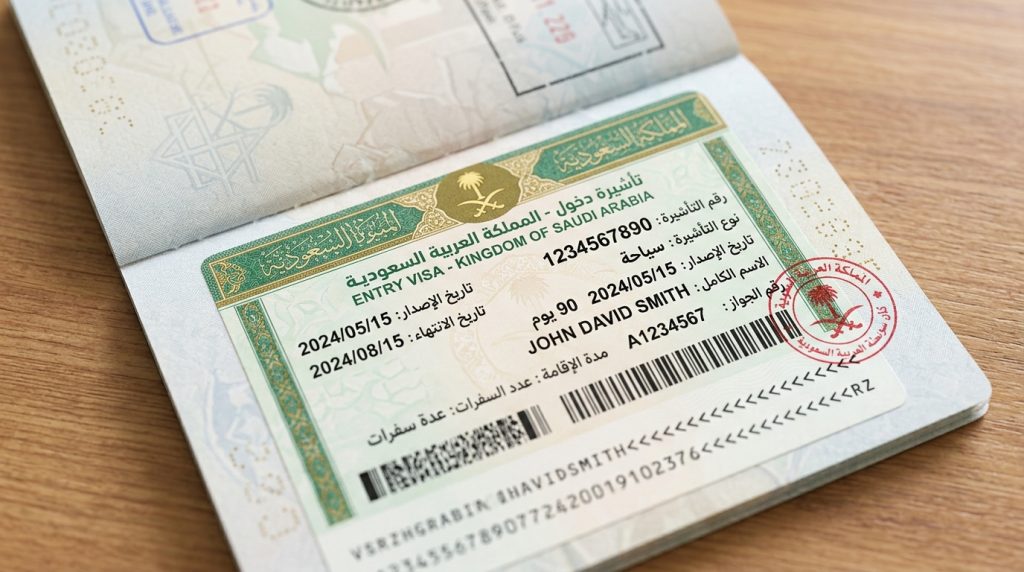
Once an applicant receives an official acceptance letter from an accredited Saudi university, the process of obtaining a formal STUDY VISA IN SAUDI begins. This specialized travel document legalizes your status as a student, allowing you to reside in the country for the duration of your academic program. The application process typically requires submitting validated academic transcripts, a clean medical clearance certificate, a valid passport, and the official university sponsorship letter to the nearest embassy or via approved digital migration platforms. Ensuring these documents are meticulously prepared prevents administrative delays and guarantees a smooth transition into the university semester.
Understanding the Cultural Landscape
Relocating to the Arabian Peninsula involves adapting to a social environment deeply rooted in rich heritage, hospitality, and religious values. For an international student or long-term traveler, local integration is just as vital as academic performance.
Familiarizing yourself with foundational SAUDI ARABIAN CUSTOMS AND TRADITIONS is essential for a respectful and smooth daily life. The country operates on a social rhythm heavily influenced by Islamic practices. For instance, the daily call to prayer structures the timing of business hours, campus operations, and social activities. Additionally, while the nation has modernized significantly—relaxing dress codes in specific entertainment zones and public spaces—modesty remains a highly valued social virtue. Wearing conservative attire in public spaces, university campuses, and traditional markets shows respect for the local community and helps expatriates build meaningful connections with local peers.
Practical Strategies for International Student Success
Adapting to a new academic lifestyle requires proactive steps. To maximize the value of an educational stay in the Kingdom, international scholars should focus on building community and developing cultural agility.
1. Embrace Language Learning
While most advanced scientific, technical, and business courses are taught entirely in English, learning basic Arabic phrases is highly beneficial. Expressing everyday greetings or courtesies in the local language breaks down social barriers, demonstrates genuine respect, and enriches your daily interactions outside the classroom.
2. Engage in Campus Life
Saudi universities feature vibrant campus ecosystems complete with student clubs, sports facilities, and cultural exchange exhibitions. Participating in these extracurricular events provides a safe space to ask questions, share your own heritage, and build long-lasting friendships with local students.
3. Explore the Geography
The country possesses immense geographic diversity, ranging from the historic alleyways of Al-Balad in Jeddah to the lush green mountains of Asir and the futuristic projects of the northern coast. Utilizing university breaks to travel within the country broadens your worldview and offers a firsthand look at a nation bridging ancient history with futuristic development.
A Fulfilling Path Forward
Choosing to study in the Middle East is an adventurous step that offers massive academic rewards and profound personal growth. By combining rigorous academic dedication with a mindful approach to local societal norms, international students can position themselves at the center of a historic global transformation, gaining valuable knowledge and unforgettable cultural experiences.
