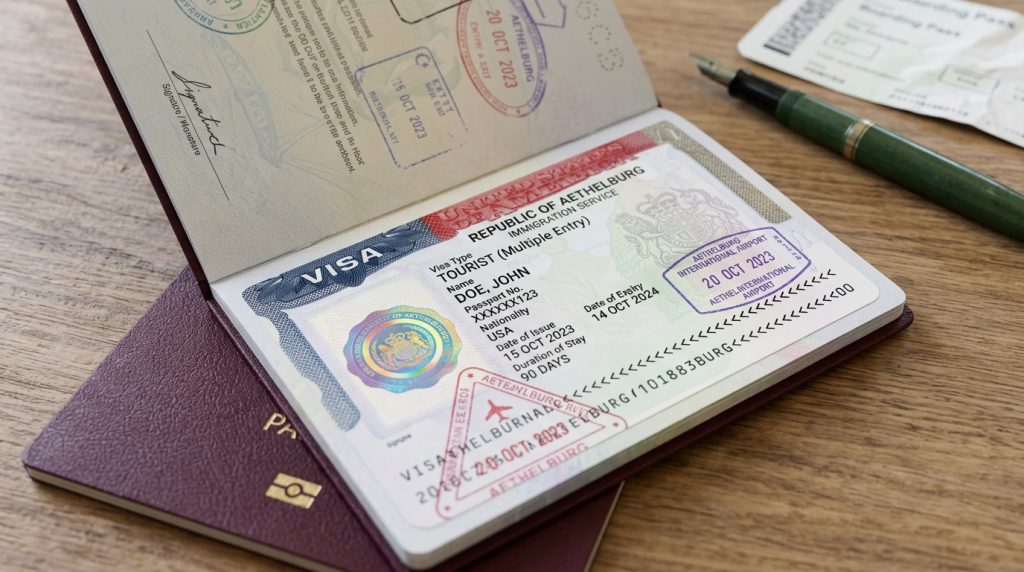
The United Kingdom remains one of the most sought-after destinations for travelers from the European Union, offering a rich tapestry of history, world-class education, and a thriving business landscape. However, since the transition following Brexit, the rules governing entry into the British Isles have evolved. For citizens of Poland and Portugal, understanding the current immigration framework is essential for ensuring a smooth and successful journey, whether for tourism, short-term work, or visiting family.
In 2026, the digital border system in the UK has become more integrated, emphasizing the need for travelers to be well-informed before they reach the departure gate.
Travel Requirements for Polish Nationals
Poland and the UK share long-standing cultural and economic ties. While many travelers may still be accustomed to the old freedom of movement rules, it is important to note that a valid passport is now a mandatory requirement for entry; national ID cards are no longer accepted for most travelers. For those planning a short-term stay of up to six months for tourism or business meetings, a formal visa may not be required for a standard visit.
However, for specific purposes such as long-term employment, study, or family reunification, obtaining a UK Visa For POLISH CITIZENS is a critical step. The UK’s points-based immigration system evaluates applicants based on various criteria, including skills, English language proficiency, and sponsorship from a UK employer. Navigating this process online through the official digital portals has become the standard, allowing for faster processing and electronic status verification.
Entry Protocols for Portuguese Travelers
Similarly, Portuguese citizens looking to cross the English Channel must adapt to the updated entry protocols. Portugal’s historical alliance with the UK continues to foster strong travel links, particularly in the sectors of hospitality, technology, and academia. For a standard holiday or a short business trip, Portuguese travelers generally fall under the “non-visa national” category for stays under 180 days.
For those intending to move to the UK for more permanent opportunities, the requirement for a UK Visa For PORTUGUESE CITIZENS becomes relevant. Whether applying for a Skilled Worker visa or a Student visa, the process involves a thorough digital application where biometrics are often shared via a smartphone app. This “human-centric” digital approach is designed to minimize paperwork while maintaining high security and compliance with UK border laws.
Essential Tips for a Smooth UK Journey
To ensure your professional or leisure trip is a success, keep these human-verified tips in mind:
- Check Passport Validity: Ensure your passport is valid for the entire duration of your stay. While the UK does not strictly require six months of validity beyond your stay for EU citizens, it is a recommended best practice.
- Electronic Travel Authorisation (ETA): Be aware that the UK is rolling out the ETA system for all non-visa nationals. Ensure you check if your specific travel dates in 2026 require this prior digital authorization.
- Document Readiness: Even if you do not need a physical visa in your passport, immigration officers may ask for proof of your return flight, accommodation details, or evidence of sufficient funds to support yourself during your visit.
- Health Insurance: While the UK has reciprocal healthcare arrangements in some cases, private travel insurance remains a wise investment to cover any unexpected medical emergencies.
Conclusion
The United Kingdom continues to welcome the world with open arms, provided that travelers respect the updated administrative pathways. By correctly identifying the need for a UK Visa For POLISH CITIZENS or a UK Visa For PORTUGUESE CITIZENS for long-term goals, you ensure that your transition into British life is as seamless as possible. The historic streets of London, the scenic highlands of Scotland, and the academic halls of Oxford are ready to be explored.
